
- Featured
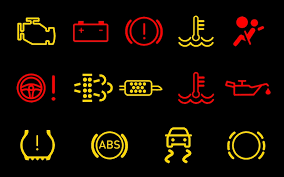
Drivers may stay safe on the road by understanding the difference between red and yellow warning lights. Today’s cars are designed to alert you immediately when something requires your attention, and the colors play an important role in determining how quickly you should reply. When a symbol appears on the dashboard, many drivers become puzzled. But knowing what each hue represents makes owning a car much easier.
Warning lights are intended to help you drive safely, reduce breakdowns, and allow you time to respond before an issue worsens. Both colors indicate that there is a problem, but the level of urgency is considerably different. Knowing what these colors symbolize will help keep your car secure and safe.
Why colour matters
Car manufacturers use colors that everyone can see so that drivers can respond quickly. The color system is simple to grasp and works similarly to traffic signals. Red indicates that you must act quickly, while yellow indicates that you should proceed with caution.
Red warning lights often indicate safety hazards that must be addressed immediately. These lights can indicate flaws that could damage the engine or increase the likelihood of an accident. If you observe a red symbol, you must pull over safely and investigate the situation immediately.
Yellow lights are not as necessary, but they are still important. They inform you that something needs to be checked or serviced. You can normally continue driving, but failing to stop at yellow lights for an extended period of time might lead to serious consequences.
Knowing what each color represents will help you remain cool, make wise decisions, and maintain control of your vehicle.
Red warning lights
Red lights indicate that there are really serious problems. When one appears, the car’s system prompts you to respond immediately. You should always stop as soon as it is safe and not continue driving until you know what happened.
Here are several typical red warning lights:
Engine temperature light – Indicates that the engine is very hot. Driving for longer periods of time can be quite harmful to your engine.
Brake system light – This could indicate that the brake fluid is low, there is a problem with the brakes, or the handbrake is still engaged.
Oil pressure light – Low oil pressure is dangerous and can permanently damage the engine.
Battery warning light – The charging process isn’t working properly, and the vehicle may lose power soon.
Red lights should never be ignored because they are part of the safety system. If you act promptly, you can avoid costly repairs and hazardous situations.
Yellow warning lights
Yellow or amber lights indicate that something is wrong, but it is not an emergency right now. The system is instructing you to pay attention, investigate the matter as soon as possible, and arrange for a service if necessary.
Here are some popular yellow lights:
Check engine light– Indicate anything from a leaking gasoline cap to an issue with a sensor or the engine.
ABS light – Indicates that your anti-lock braking system is not functioning properly, but your conventional brakes may still function.
Tyre pressure light – Indicates that one or more tires require air or may be gradually leaking.
Traction control light – Indicates that the system detected wheel slip or a problem with the stability control system.
You do not have to stop immediately when you encounter yellow lights, but you should never ignore them. They warn you when a little issue is ready to escalate.
Many drivers forget that these lights are meant to keep them safe. They help keep the car running smoothly and prevent it from breaking down. Usually, a short check or a trip to the mechanic will resolve the issue before it worsens.
How to react to each colour
You should always reply in a way that corresponds to the level of urgency of the warning. When you see a red light, you must pay attention immediately. If you spot one while driving, pull over to a safe location, turn off the engine, and investigate what happened. If you can’t fix it yourself, the safest option is to call for roadside help.
When the lights are yellow, you have more time to think and plan. You can finish your journey, but you should schedule a checkup shortly. The light may turn off with little maintenance, such as tightening the fuel cap or checking the tire pressure.
If a yellow light stays on for a few days, it is best to see a mechanic. Many automotive systems rely on sensors, and ignoring a warning for an extended period of time might lead to more problems.
Preventing warning lights
Most warning lights may not appear if you take care of your car on a regular basis. Basic procedures improve your car’s performance and reduce the number of unexpected problems.
Here are some simple things to do:
Check your tire pressure frequently.
Maintain the oil levels as they should be.
Keep your car in good condition on time.
Check for unusual noises or changes in performance.
Check that all of the dashboard icons are operating properly.
It is always preferable and cheaper to avoid difficulties than to deal with them later. A small inspection today can prevent a major problem from occurring tomorrow.
Why these lights keep you safe
Warning lights are designed to keep your car and the people within it safe. They are part of a modern safety system that monitors your engine, brakes, tires, and electronics. If you do not receive these notifications, you may not realize something is wrong until it is too late.
Drivers who understand what warning lights mean make safer decisions on the road. They don’t panic; they know when to stop and when to call for aid. This information reduces anxiety and promotes confidence, especially during long rides.
Final thoughts
Red and yellow warning lights are simple to use yet extremely efficient in keeping drivers safe. Red implies “danger right away,” while yellow means “be careful.” Knowing the difference might help you keep your automobile running and avoid unexpected failures. If you pay attention to these indicators, you can maintain control and make every trip safer and more comfortable.