
- Featured
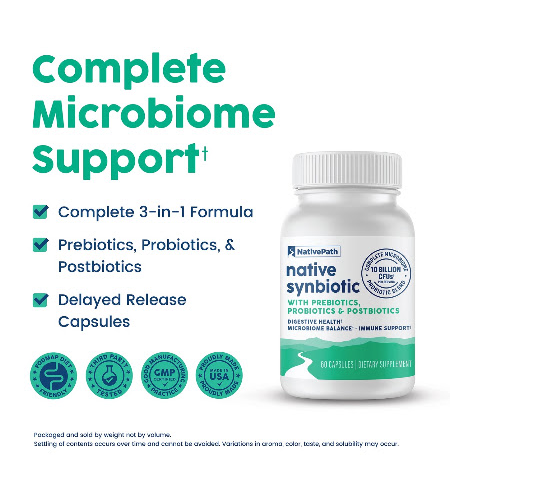
NativePath Native Synbiotic – Official Website Link – Click Here
Introduction
Digestive health plays an important role in overall wellness, influencing everything from regular bowel movements to nutrient absorption and everyday comfort. However, factors such as an unbalanced diet, stress, irregular eating habits, and changes in lifestyle can affect the digestive system. As interest in gut health continues to grow, many people are exploring supplements designed to support a healthy intestinal environment. One product that may attract attention in this category is NativePath Native Synbiotic.
In this NativePath Native Synbiotic review, we explore the general purpose of synbiotic supplements, how probiotics and prebiotics work together, the potential benefits of supporting the gut microbiome, and the factors consumers should consider before choosing a digestive health supplement.
NativePath Native Synbiotic is a product name associated with the growing interest in combined gut health formulas. Synbiotic supplements are designed around the relationship between beneficial microorganisms and the nutrients that help support them. While this combination may be useful for some individuals, results depend on the specific ingredients, product formulation, individual health needs, and consistency of use.
This article provides an informative overview of NativePath Native Synbiotic without exaggerated promises. It also explains what consumers should know about supplement quality, possible side effects, daily habits that support digestive wellness, and questions worth asking before adding a new product to a routine.
What Is NativePath Native Synbiotic?
NativePath Native Synbiotic is positioned within the digestive wellness supplement category. The term synbiotic generally refers to a combination of probiotics and prebiotics that are intended to work together to support the gut microbiome.
The gut microbiome consists of a diverse community of microorganisms living in the digestive tract. These microorganisms interact with food, help break down certain substances, and contribute to normal digestive and immune functions.
Maintaining a balanced intestinal environment involves several factors, including dietary variety, fiber intake, hydration, sleep, physical activity, and general health. Supplements may provide additional support, but they are not substitutes for these everyday habits.
A synbiotic formula may combine:
• Probiotics: Live microorganisms that can provide health benefits when administered in adequate amounts and when supported by appropriate scientific evidence.
• Prebiotics: Substances, often particular types of dietary fiber, that beneficial microorganisms can use.
• Additional ingredients: Depending on the formula, some products may include other components intended to complement their primary ingredients.
The exact ingredients, probiotic strains, amounts, and directions for NativePath Native Synbiotic should be confirmed from the current product label. Without verified formulation details, it would be inappropriate to assume that every ingredient or benefit associated with synbiotic supplements applies to this specific product.
How Does NativePath Native Synbiotic Work?
To understand how a synbiotic supplement may support digestive wellness, it helps to examine the roles of probiotics and prebiotics separately.
1. Probiotics and the Gut Microbiome
Probiotics are live microorganisms that may provide health benefits when used in appropriate amounts. Different probiotic strains have different characteristics, and scientific findings for one strain cannot automatically be applied to another.
Depending on the strain and the intended use, certain probiotics have been studied for digestive concerns such as specific forms of diarrhea, some symptoms associated with irritable bowel syndrome, and other gastrointestinal conditions.
However, probiotic effects are not universal. The results depend on the microorganism, dose, individual, and health concern being studied.
2. Prebiotics and Beneficial Bacteria
Prebiotics are substances that beneficial microorganisms can selectively use. Many familiar prebiotic ingredients are particular types of fiber found in foods such as onions, garlic, oats, beans, and certain fruits and vegetables.
When suitable prebiotic fibers reach the large intestine, microorganisms can ferment them. This process may produce short-chain fatty acids and other substances involved in normal intestinal function.
Some people tolerate prebiotic fibers well, while others may experience gas, bloating, or abdominal discomfort, particularly when their intake increases suddenly.
3. The Synbiotic Approach
A synbiotic combines probiotics and prebiotics in one formulation. The goal is to bring together microorganisms and supportive substrates in a way that may benefit the gut environment.
The effectiveness of a particular combination depends on its composition and supporting evidence. Simply combining a probiotic with a prebiotic does not automatically make a product more effective than using either component separately.
For NativePath Native Synbiotic, consumers should review the actual label and available product information to determine which strains and prebiotic ingredients are included and whether the formula has been studied.
NativePath Native Synbiotic – Official Website Link – Click Here
Potential Benefits of NativePath Native Synbiotic
Interest in synbiotic supplements often comes from their potential role in digestive wellness. The following are possible areas of interest for this supplement category, rather than guaranteed outcomes for NativePath Native Synbiotic.
Supports Digestive Balance
The intestinal microbiome contains many different microorganisms that interact with each other and with the body. Certain probiotics have been studied for their ability to influence the composition or activity of this microbial community.
A suitable probiotic formula may support particular aspects of digestive health. However, the effects vary by strain, and a supplement should not be assumed to restore a perfect or universally defined microbial balance.
May Help With Certain Digestive Symptoms
Some probiotic preparations have evidence supporting their use for specific digestive concerns. Depending on the product and individual, research may be relevant to occasional digestive discomfort or particular bowel-related symptoms.
That does not mean all probiotics work for constipation, diarrhea, gas, bloating, or abdominal discomfort. Persistent symptoms should be evaluated by a qualified healthcare professional rather than managed solely with supplements.
Complements a Fiber-Rich Diet
Prebiotic ingredients may complement a diet that includes a variety of fiber-rich foods. Dietary fiber supports normal bowel function and provides a food source for some intestinal microorganisms.
A supplement containing prebiotics may be useful for some individuals, but whole foods also provide vitamins, minerals, and other beneficial compounds. A varied diet remains an important foundation for digestive wellness.
Supports the Normal Function of the Intestinal Environment
The gut microbiome participates in several processes, including the fermentation of certain dietary fibers and interactions with the intestinal lining.
Research continues to explore how particular microorganisms affect these processes. The degree of benefit depends on the formulation and the evidence supporting its ingredients.
May Fit Into a Consistent Wellness Routine
For people who find a suitable product and tolerate it well, a synbiotic supplement may be one part of a broader digestive health routine.
However, supplements are only one consideration. Regular meals, adequate hydration, sufficient sleep, physical activity, and appropriate medical care remain important.
NativePath Native Synbiotic Ingredients: What Should You Check?
Ingredient transparency is an important consideration when evaluating any digestive supplement. The specific formula determines what the product can reasonably be expected to do.
Before purchasing NativePath Native Synbiotic, review the current packaging and product information for the following details.
Probiotic Strains
Look for the complete names of the microorganisms included in the formula. Where available, strain identifiers can help distinguish one microorganism from another.
This information matters because clinical findings often relate to particular strains rather than broad categories of bacteria.
Probiotic Quantity
The label may list probiotic quantities in colony-forming units, commonly abbreviated as CFU.
Check whether the stated amount applies at the time of manufacture or through the end of the product’s shelf life. A larger number does not necessarily mean a better product, since strain selection, stability, and evidence are also important.
Prebiotic Ingredients
Check whether the formula contains ingredients such as inulin or other fermentable fibers.
People who are sensitive to certain fibers may need to consider the amount and type of prebiotic included. Introducing fermentable fiber gradually can sometimes help improve tolerance.
Additional Ingredients
Review the complete ingredient list, including inactive ingredients, flavorings, capsule materials, sweeteners, and potential allergens.
This is especially important for people with food sensitivities, dietary restrictions, or known allergies.
Storage and Expiration Information
Some probiotic products require specific storage conditions to maintain microorganism viability. Others may be formulated for room-temperature storage.
Follow the manufacturer’s instructions and check the expiration date before use.
NativePath Native Synbiotic – Official Website Link – Click Here
Who May Consider a Synbiotic Supplement?
A synbiotic supplement may be worth discussing with a healthcare professional for adults interested in supporting their digestive wellness.
It may be relevant to people who:
• Want to learn more about the relationship between probiotics and prebiotics.
• Are looking for an additional option to complement a balanced diet.
• Have questions about dietary fiber and the gut microbiome.
• Want to compare different digestive supplements based on their ingredients and evidence.
• Prefer a combined formulation rather than taking separate probiotic and prebiotic products.
However, not everyone needs a probiotic or synbiotic supplement. People who eat a varied diet and have no digestive concerns may not experience a noticeable benefit from adding one.
Anyone considering NativePath Native Synbiotic should first determine whether its actual formulation matches their needs.
Who Should Be Careful Before Using NativePath Native Synbiotic?
Although many healthy adults tolerate probiotic supplements, additional caution may be appropriate in certain situations.
People With Weakened Immune Systems
Individuals who are severely immunocompromised or seriously ill should consult their healthcare provider before taking products containing live microorganisms. The safety considerations can differ significantly from those for otherwise healthy adults.
People With Existing Digestive Conditions
Anyone with a diagnosed gastrointestinal disorder should discuss supplement use with a healthcare professional, particularly when symptoms are persistent or worsening.
A probiotic or synbiotic supplement should not replace prescribed treatment or appropriate medical evaluation.
People With Allergies or Ingredient Sensitivities
Carefully check the complete product label for allergens, additives, and fibers that may trigger discomfort.
If the ingredient list is unclear, contact the manufacturer or ask a healthcare professional before using the product.
Pregnant or Breastfeeding Individuals
Anyone who is pregnant or breastfeeding should seek appropriate medical guidance before adding a new supplement, especially when the exact ingredients and doses have not been reviewed.
Possible Side Effects of Synbiotic Supplements
Synbiotic supplements can cause side effects in some people. The likelihood and severity depend on the ingredients, dose, individual tolerance, and existing health conditions.
Possible effects include:
• Gas or increased intestinal gas.
• Temporary bloating.
• Mild abdominal discomfort.
• Changes in bowel habits.
• Loose stools in some individuals.
• Discomfort associated with fermentable prebiotic fibers.
These effects may be more noticeable when starting a product or increasing fiber intake too quickly.
If a supplement causes persistent or significant symptoms, stop taking it and consult a healthcare professional. Seek prompt medical attention for severe abdominal pain, bloody stools, persistent vomiting, or other concerning symptoms.
People should not assume that worsening digestive symptoms indicate that a supplement is working. Significant or prolonged discomfort deserves appropriate assessment.
NativePath Native Synbiotic – Official Website Link – Click Here
How to Use NativePath Native Synbiotic
The correct way to use NativePath Native Synbiotic depends on the product’s current instructions and formulation.
Before starting, follow these general precautions:
1. Read the product label. Confirm the recommended serving size, ingredients, and directions.
2. Follow the stated dosage. Do not take more than the recommended amount in an attempt to obtain faster results.
3. Check timing instructions. Some supplements have specific recommendations about taking them with food or on an empty stomach.
4. Follow storage guidance. Appropriate storage helps maintain product quality.
5. Monitor your response. Pay attention to digestive changes, discomfort, or other unexpected effects.
6. Seek professional guidance when needed. Ask a healthcare professional about potential interactions or suitability if you take medication or have an existing medical condition.
There is no universal timeline for experiencing benefits from probiotics or synbiotics. Outcomes depend on the formulation and the reason for use. Avoid relying on guaranteed claims about how quickly the product should work.
NativePath Native Synbiotic vs. Regular Probiotics
Consumers comparing digestive supplements may wonder whether a synbiotic is a better option than a probiotic alone.
The main difference is the inclusion of prebiotic ingredients.
Feature Probiotic Supplement Synbiotic Supplement
Main components Selected live microorganisms Probiotics combined with prebiotics or other intended complementary substrates
Primary purpose Support specific aspects of digestive or other health functions Combine microorganisms with substrates intended to support them
Fiber content May contain little or no prebiotic fiber Often includes one or more prebiotic ingredients
Potential digestive effects Depends on the strains and dose Depends on the strains, prebiotic ingredients, and dose
Best choice Depends on individual needs and evidence Depends on individual needs, tolerance, and evidence
Neither category is automatically superior. A well-studied probiotic may be more appropriate for a specific concern than a synbiotic with limited evidence. Conversely, a suitable synbiotic may be convenient for someone who wants both components in one product.
The most useful comparison focuses on ingredients, strain-specific evidence, safety, and cost rather than marketing terminology.
NativePath Native Synbiotic Price and Availability
The current price, package sizes, subscription options, and availability of NativePath Native Synbiotic should be confirmed through the seller’s current product information.
Prices may vary depending on promotions, shipping, package quantity, and subscription arrangements. Since current pricing has not been independently verified here, a specific price would be unreliable.
Before making a purchase, consider the following:
• The total price per serving.
• The number of servings in each package.
• Whether a subscription is optional or automatically renews.
• Shipping costs and any applicable taxes.
• The seller’s refund and return policy.
• Whether the complete ingredient list and dosage information are available.
• Whether product quality and storage information are clearly explained.
A low price does not necessarily indicate poor quality, and a high price does not guarantee superior results. Evaluate the product according to its ingredients, evidence, safety, and suitability.
Is NativePath Native Synbiotic Worth Considering?
Whether NativePath Native Synbiotic is worth considering depends on what the product contains and what the consumer hopes to achieve.
A well-formulated synbiotic may offer a convenient way to combine probiotic microorganisms with prebiotic ingredients. However, the term synbiotic alone does not demonstrate that a product is clinically effective.
Before deciding, examine the exact strains, quantities, prebiotic ingredients, quality standards, and available evidence. It is also important to distinguish between general research on probiotics and research conducted on the finished product itself.
A supplement may be less useful if it contains ingredients that do not match the user’s needs, lacks meaningful formulation details, or causes unwanted digestive symptoms.
Consumers should also remember that digestive health is influenced by multiple factors. A supplement cannot compensate for every dietary issue, diagnose an underlying condition, or guarantee relief from digestive symptoms.
A careful comparison with other products may help determine whether this formula offers reasonable value.
Natural Ways to Support Gut Health Alongside a Synbiotic
Regardless of whether someone chooses NativePath Native Synbiotic, daily habits can play an important role in supporting digestive health.
Eat a Variety of Fiber-Rich Foods
Include foods such as oats, lentils, beans, vegetables, fruit, nuts, and whole grains according to your tolerance.
Increase fiber gradually and drink enough fluids to help support normal bowel function.
Include Fermented Foods if Suitable
Foods such as yogurt with live cultures, kefir, and certain fermented vegetables may provide microorganisms or other compounds associated with digestive wellness.
Not every fermented food contains live microorganisms at the time of consumption, so preparation and processing methods matter.
Drink Enough Water
Adequate hydration helps support normal bodily functions and may be particularly important when increasing dietary fiber.
Individual fluid needs vary depending on activity, climate, health conditions, and medical advice.
Maintain Regular Physical Activity
Walking and other appropriate forms of physical activity can support general health and may help promote regular bowel movements.
Choose activities that fit your fitness level and medical circumstances.
Prioritize Sleep and Stress Management
Sleep and stress can influence digestive comfort and daily habits. Maintaining a consistent sleep schedule and using practical stress-management techniques may help support overall well-being.
Avoid Unnecessary Dietary Restrictions
Removing multiple food groups without a clear reason may make it harder to obtain adequate nutrients. If certain foods repeatedly cause symptoms, consider discussing them with a qualified healthcare professional rather than adopting an unnecessarily restrictive diet.
NativePath Native Synbiotic – Official Website Link – Click Here
Frequently Asked Questions
1. What is NativePath Native Synbiotic used for?
It is associated with the synbiotic supplement category, which combines probiotics and prebiotics. The intended uses and potential benefits of the specific product depend on its verified ingredients and supporting evidence.
2. What is the difference between probiotics and prebiotics?
Probiotics are live microorganisms that can provide health benefits when used appropriately. Prebiotics are substances that selected beneficial microorganisms can use. Synbiotic formulations combine the two approaches.
3. Can NativePath Native Synbiotic improve digestion?
Some probiotic and synbiotic formulations may help with particular digestive concerns, but effects vary. The specific product’s effectiveness cannot be established from its category or name alone.
4. Can a synbiotic supplement cause bloating?
Yes. Some people experience gas, bloating, or abdominal discomfort, especially when a formula contains fermentable prebiotic fibers. Anyone experiencing persistent or severe symptoms should seek medical advice.
5. How long does it take to notice results?
There is no single timeline that applies to all synbiotic supplements. The response depends on the ingredients, intended use, individual health, and other factors. Be cautious of claims promising identical results for everyone within a fixed number of days.
6. Can NativePath Native Synbiotic replace a healthy diet?
No. A synbiotic supplement should complement, not replace, a varied diet and healthy lifestyle. Foods provide a broad range of nutrients and dietary fibers that a supplement may not supply.
7. Is NativePath Native Synbiotic suitable for everyone?
No supplement is suitable for everyone. People with significant medical conditions, weakened immune systems, allergies, or special healthcare needs should seek professional guidance before use.
8. What should I check before purchasing NativePath Native Synbiotic?
Review the current ingredient list, probiotic strain names, quantities, prebiotic components, dosage directions, storage instructions, product quality information, and total cost. These details provide a better basis for evaluating the product than promotional claims alone.
NativePath Native Synbiotic – Official Website Link – Click Here
Final Verdict: NativePath Native Synbiotic Review
NativePath Native Synbiotic
is a product to evaluate within the broader category of digestive wellness supplements. Its synbiotic positioning reflects an approach that combines probiotics and prebiotics, two components that have attracted scientific interest for their roles in the gut microbiome.
However, understanding the general science behind synbiotics is only the first step. The actual value of NativePath Native Synbiotic depends on its specific ingredients, formulation quality, appropriate dosage, safety profile, and the evidence supporting its intended use.
Consumers should avoid assuming that every synbiotic provides the same benefits or that taking one will automatically resolve digestive discomfort. Individual responses vary, and some people may not need a supplement at all.
A sensible approach is to review the product label carefully, compare it with alternatives, follow the manufacturer’s directions, and seek professional advice when appropriate. Combining an evidence-informed supplement choice with a varied diet, adequate hydration, regular movement, and healthy daily routines offers a more balanced way to approach digestive wellness.
Ultimately, NativePath Native Synbiotic should be assessed on transparent product information and realistic expectations rather than exaggerated promises. Making an informed decision can help consumers choose digestive health products that better match their individual needs.
Add a concise SEO meta descriptionTrim repeated cautionary statements
Contact information
- 234365476787
- vefecok840@juicehour.com
- https://nativesynbiotic.com/