
- Featured
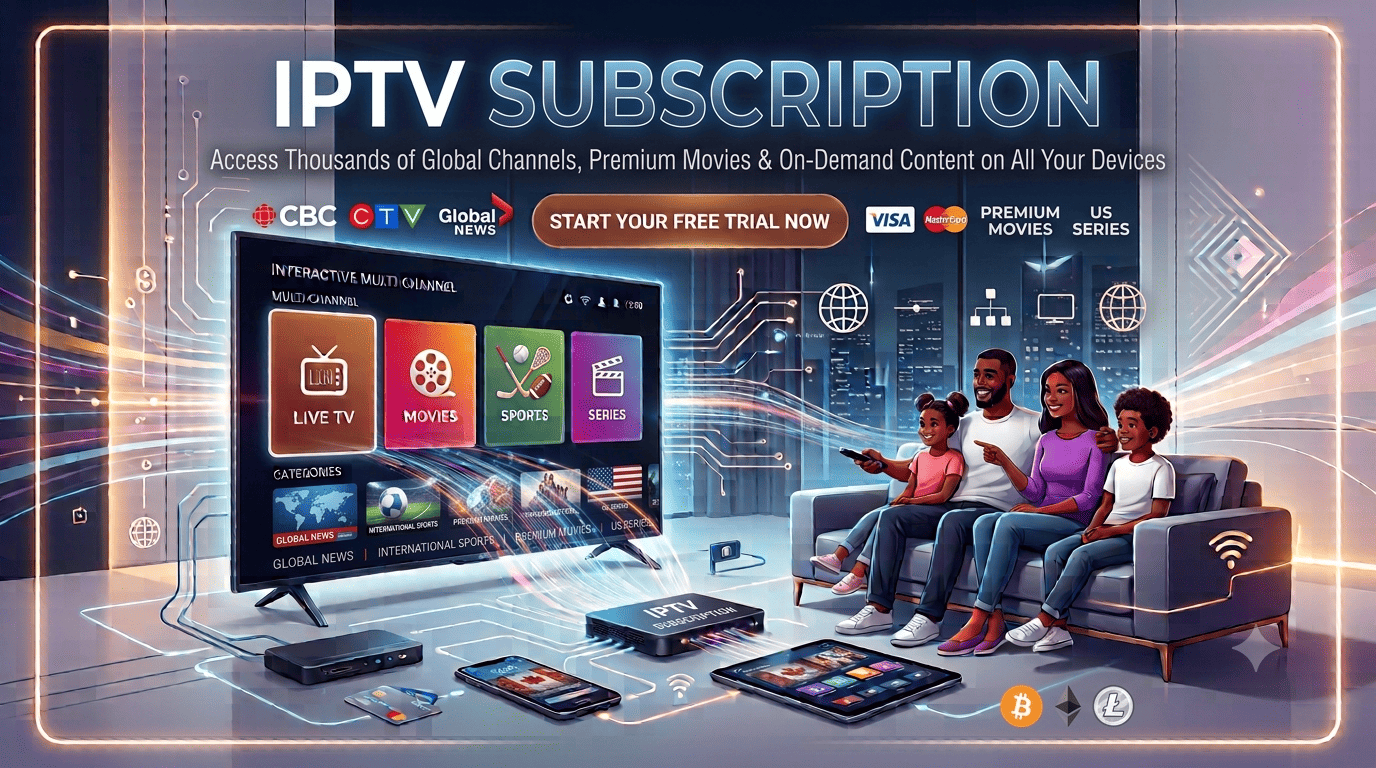
The way people watch television has changed considerably with the growth of high-speed internet. Traditional cable and satellite services are no longer the only options available to households. An IPTV Subscription can provide access to internet-delivered television and video content, while an IPTV Box can offer a convenient way to connect that service to a television.
For viewers considering this type of setup, understanding how subscriptions and devices work together is important. Features, compatibility, streaming quality, pricing, and service legitimacy should all be considered before making a purchase.
What Is an IPTV Subscription?
An IPTV Subscription provides access to television programming delivered through an internet connection. IPTV uses Internet Protocol technology to transmit video content rather than relying exclusively on conventional cable or satellite broadcasting.
Depending on the provider, an IPTV Subscription may include live television, video-on-demand programming, electronic program guides, catch-up options, and other features. The exact content and functionality vary between providers, so consumers should review the current package information before subscribing.
The main attraction is flexibility. Users can potentially access their subscription through several compatible devices, including smart TVs, mobile devices, computers, streaming players, and dedicated IPTV hardware.
What Is an IPTV Box?
An IPTV Box is a device that connects to a television and provides access to internet-based applications and streaming services. Many IPTV boxes operate using an operating system such as Android TV or another smart-TV platform.
The box typically connects to the internet through Wi-Fi or Ethernet and connects to the television through HDMI. Once configured, users can access compatible streaming applications and other digital entertainment services.
It is important to understand that an IPTV Box itself does not automatically provide television channels. The device is hardware; the content comes from compatible applications and services.
How an IPTV Subscription and IPTV Box Work Together
An IPTV Subscription and IPTV Box serve different purposes but can complement each other. The subscription provides access to content, while the box provides a convenient interface for displaying that content on a television.
For example, a household with an older television that does not have modern smart features may use an IPTV Box to add internet connectivity and application support. After connecting the box to the television and network, users can install or access compatible applications according to the service’s instructions.
This combination can be useful for viewers who want a centralized entertainment setup.
Benefits of Using an IPTV Box
One advantage of an IPTV Box is that it can turn a compatible television into a more versatile entertainment system.
Many boxes provide access to applications beyond IPTV, depending on their operating system and available app ecosystem. Users may be able to access legitimate streaming platforms, media players, and other entertainment applications.
Another advantage is a familiar television-based experience. Instead of watching everything on a laptop or phone, viewers can use a remote control and a large screen.
However, device performance varies considerably. Processing power, storage, software support, and network connectivity can all affect usability.
Choosing the Right IPTV Subscription
When selecting an IPTV Subscription, focus on your actual viewing needs. Consider which types of programming matter most to you and whether the provider offers them legitimately.
Do not choose a service solely because it advertises an extremely high number of channels. A large number does not automatically mean better value.
Instead, evaluate the content categories, video quality, availability of on-demand programming, program-guide functionality, and supported devices.
A clear subscription policy is also important. Customers should understand the duration of the plan, renewal terms, cancellation conditions, and refund policy before paying.
Checking IPTV Box Compatibility
Before purchasing an IPTV Box, verify that it is compatible with your television and preferred IPTV application.
Check the available HDMI connection, operating system, network options, remote control functionality, and application support. Some devices may also support Ethernet, which can provide a more stable connection than Wi-Fi for streaming.
If you already own a smart TV or streaming device, you may not need additional hardware. Compare the capabilities of your existing equipment with those of an IPTV Box before spending money on a new device.
Internet Speed and Streaming Quality
Your internet connection plays an important role in IPTV performance. Even a capable IPTV Box and a reliable service can experience problems if the home network is slow or unstable.
Buffering may occur when bandwidth is insufficient or when several devices compete for the same connection. Large downloads, gaming, video calls, and simultaneous streaming can all increase network usage.
For the best results, use a stable internet connection and keep your network equipment updated. An Ethernet connection can be particularly useful for a television or IPTV Box that remains in one location.
Video Quality
Modern viewers often expect high-quality video, especially when watching on large-screen televisions. Depending on the provider and source, IPTV content may be available in different resolutions.
An IPTV Box must also support the desired video format and resolution. However, the advertised resolution should not be the only consideration.
Stable playback is equally important. A lower-resolution stream that plays consistently can provide a better experience than a high-resolution stream that repeatedly buffers.
Electronic Program Guide
An Electronic Program Guide, or EPG, can make an IPTV Subscription easier to use. It organizes television schedules and helps viewers discover current and upcoming programs.
When an EPG is available, viewers can often browse programming without opening each channel individually. This can make live television feel more organized and familiar.
The quality of an EPG depends on the provider, so check whether program information is accurate and regularly updated.
Security and Privacy
Because IPTV services operate through internet-connected devices, users should take basic security precautions.
Use strong passwords for your accounts and avoid sharing login details unnecessarily. Keep the IPTV Box firmware and applications updated when updates are provided by trusted sources.
Consumers should also be careful when downloading unknown applications or purchasing subscriptions from websites that provide little information about their business or policies.
Consider Legal and Licensing Issues
IPTV is a legitimate technology for delivering television over the internet, but not every service using IPTV technology necessarily has permission to distribute every piece of content it offers.
Before purchasing an IPTV Subscription, check whether the provider clearly explains its content rights and licensing arrangements. Be cautious of services promising premium programming at unusually low prices without providing transparent information.
Choosing properly licensed services supports broadcasters, content creators, and rights holders.
Final Thoughts
An IPTV Subscription can provide a flexible way to enjoy internet-based television, while an IPTV Box can make it easier to access compatible services on a television.
Before choosing either, compare content availability, device compatibility, streaming performance, video quality, customer support, pricing, and subscription policies. Make sure the box meets your technical requirements and that the IPTV service is transparent about its content and licensing.