
- Featured
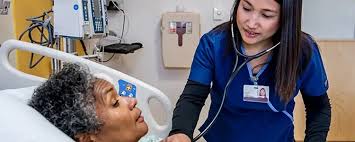
Healthcare systems continue to evolve as patient needs become more diverse and clinical practices become increasingly sophisticated. Nurses serve as essential contributors to healthcare delivery by promoting patient safety, supporting interdisciplinary collaboration, and ensuring high standards of care. Their responsibilities extend beyond direct treatment and require strong analytical abilities, communication skills, and professional accountability.
Modern nursing professionals are expected to make informed decisions while adapting to technological advancements and changing healthcare environments. These expectations highlight the importance of academic preparation and lifelong learning.
Nursing education bridges theory and practice, enabling students to develop the knowledge and competencies needed to provide effective, patient-centered care. Through continuous development, nurses contribute to stronger healthcare systems and improved outcomes for individuals and communities.
Building a Strong Academic Foundation
A successful nursing career begins with a strong educational background. Students are required to understand healthcare principles, research methods, and patient care concepts while balancing demanding coursework and clinical experiences.
Many learners enhance their understanding through capella flexpath assessments, which support academic growth and help students navigate complex nursing topics.
Strong educational preparation promotes confidence, strengthens critical thinking abilities, and improves clinical judgment.
These qualities allow future nurses to perform effectively in diverse healthcare settings and provide safe, evidence-based care.
Supporting Academic Growth Through Structured Learning
Nursing education can be challenging, making reliable support systems valuable for student success. Structured learning resources help students organize their studies and develop effective strategies for mastering difficult concepts.
Resources such as Flexpath Tutors provide guidance that improves comprehension and encourages consistent academic progress.
This support also helps learners strengthen communication skills, time management, and analytical thinking.
As students gain confidence and competence, they become better prepared to meet the demands of professional nursing practice.
Developing Critical Thinking for Healthcare Challenges
Nurses frequently encounter complex healthcare issues that require careful analysis and effective problem-solving. Critical thinking enables healthcare professionals to assess situations and make informed decisions that benefit patients.
Learning experiences associated with nurs fpx 4000 assessment 5 help students understand how to evaluate healthcare concerns and identify appropriate solutions.
These concepts encourage future nurses to approach clinical situations with confidence and professionalism.
Strong analytical abilities support patient safety and contribute to higher-quality healthcare delivery.
Strengthening Leadership and Professional Collaboration
Leadership and collaboration are essential components of nursing practice. Effective leaders inspire teamwork, promote accountability, and advocate for patients.
Topics related to nurs fpx 4015 assessment 4 emphasize the importance of communication and professional cooperation within healthcare settings.
These experiences help students understand how collaborative approaches improve efficiency and enhance patient outcomes.
Leadership skills also prepare nurses to contribute to organizational growth and continuous improvement.
Enhancing Care Coordination and Quality Improvement
High-quality healthcare depends on effective planning, coordination, and evaluation. Nurses play a vital role in ensuring that patients receive comprehensive and continuous care.
Concepts connected with nurs fpx 4035 assessment 2 focus on improving healthcare processes and promoting better coordination among providers.
These learning experiences help students recognize how teamwork and strategic planning contribute to positive healthcare outcomes.
Quality improvement efforts create safer environments and strengthen the efficiency of healthcare systems.
Communication and Teamwork in Nursing
Communication is one of the most important skills in healthcare because it ensures accurate information exchange among professionals, patients, and families.
Clear communication reduces misunderstandings, strengthens collaboration, and promotes patient safety.
Interdisciplinary teamwork allows healthcare providers to combine their expertise and deliver comprehensive treatment.
These interactions contribute to improved healthcare experiences and better patient satisfaction.
Lifelong Learning and Professional Development
Healthcare continues to evolve through new research, technological innovations, and changing clinical practices. Nurses must remain committed to lifelong learning to maintain competence and adapt to these developments.
Continuous education allows healthcare professionals to improve their skills and remain informed about evidence-based practices.
Professional development also creates opportunities for leadership roles and career advancement.
By embracing ongoing learning, nurses can continue providing high-quality care throughout their careers.
Focusing on Patient-Centered Care
Patient-centered care is a fundamental principle of nursing that emphasizes respect for individual values, needs, and preferences.
Nurses support this approach by building trust and encouraging patients to participate in healthcare decisions.
Personalized care strengthens relationships between healthcare providers and patients while improving treatment outcomes.
This focus on compassion and communication contributes to a more positive healthcare experience.
Conclusion
Modern nursing requires a combination of critical thinking, communication, leadership, and collaborative care. Healthcare professionals must be prepared to address complex challenges while maintaining high standards of safety and quality.
By strengthening critical thinking, promoting collaboration, and focusing on quality improvement, nursing professionals can contribute to safer and more effective healthcare systems.
Frequently Asked Questions
Why is critical thinking important in nursing?
Critical thinking helps nurses analyze healthcare situations, solve problems effectively, and improve patient outcomes.
Why are leadership skills valuable for nurses?
Leadership promotes teamwork, accountability, and better communication within healthcare organizations.
How does care coordination improve healthcare quality?
Care coordination ensures continuity of services, reduces gaps in treatment, and enhances patient satisfaction.
Why is communication essential in nursing practice?
Effective communication supports teamwork, reduces errors, and improves patient safety.
Why should nurses engage in lifelong learning?
Continuous learning helps nurses stay updated with medical advancements and maintain professional competence.