
- Featured
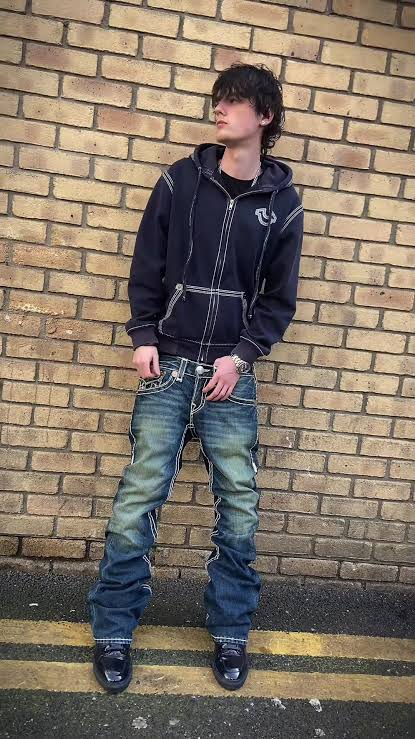
The stitching on denim can change the entire look of a pair of jeans. Some designs use it to add strength, while others make it a clear part of their identity. True Religion became known for its distinctive thread patterns, thick seams, and noticeable pocket details. These features helped its denim stand apart from simpler designs. This article looks at the story behind those details, the fabrics and techniques involved, and how to choose and care for different pieces.
How Did True Religion Jeans Develop Their Recognizable Stitching?
The brand built its denim identity around details that people could notice without looking closely. Its signature horseshoe stitching on the back pockets became one of its most familiar features. The thick thread and curved shape gave the pockets a bold appearance, while the contrast against dark or washed denim made the design stand out. Rather than keeping every seam hidden, the designers made stitching part of the overall look. That choice helped turn a practical construction detail into a recognizable fashion feature.
The appeal also came from the balance between denim construction and visual character. Traditional jeans often use simple, straight seams, but this label made pocket embroidery and contrast thread a bigger part of its design language. People who want to compare different washes and cuts can explore the truereligion.com.de collection while paying attention to pocket shapes, thread colors, and seam placement. These small details explain why some pairs look more expressive than ordinary everyday denim.
Why Does Horseshoe Stitching Make the Back Pockets Stand Out?
The horseshoe pattern gives the back pockets a clear visual identity. Its curved lines create movement across the denim, while thicker thread makes the design easier to notice. On a dark indigo pair, tan or cream stitching creates strong contrast. On faded blue denim, a similar thread color can produce a softer effect. The pattern also works with different leg shapes, so it remains visible on relaxed, straight, and fitted styles without changing the basic purpose of the pocket.
Pocket stitching needs careful placement to look balanced. If the curves sit too close to the pocket edges, the design can appear crowded. If the thread looks uneven, the pattern loses its clean shape. Good construction keeps both pockets consistent in size, position, and thread tension. This matters because the back of a pair of jeans often receives just as much attention as the front. A neat horseshoe design can give even a simple T-shirt and denim outfit a more distinctive finish.
What Do Different Thread Colors Say About Denim Design?
Thread color affects the mood of denim more than many people expect. Golden brown or caramel thread creates a classic contrast against blue jeans, while white thread gives the garment a sharper, cleaner finish. Dark navy stitching blends into the fabric and produces a quieter look. Some washed styles use contrasting thread to highlight fading around the pockets and seams. These choices can make two pairs with similar cuts feel completely different, even when both use comparable denim fabric.
The best choice depends on how you plan to wear the jeans. Blue denim with warm stitching works well with white sneakers, neutral sweatshirts, and brown leather accessories. Black denim with matching thread suits outfits that need a cleaner appearance. A True Religion Pullover can add another layer of texture, especially when its color complements the thread rather than competing with it. Looking at the full outfit helps you choose denim details that feel balanced instead of making every part of your clothing fight for attention.
How Does Signature Stitching Work Across Different Clothing Styles?
The same design approach can appear on more than jeans. True Religion T_Shirts may use logo details and graphic elements, while True Religion Shorts can carry pocket stitching that connects them visually to the denim range. True Religion Joggers usually focus more on comfortable construction, but visible seams and branding can still give them a stronger streetwear look. The key is knowing that stitching serves different purposes depending on the fabric, fit, and movement expected from each garment.
For people comparing casual pieces, the details on https://truereligion.com.de/ can help show how the brand carries its visual identity across different clothing categories. Denim jackets often use reinforced seams around areas that experience regular movement, while softer trousers need stitching that allows comfortable wear. A True Religion Jacke can work with jeans for a coordinated outfit, but mixing different washes usually creates a more relaxed result. The aim is to keep the details connected without making the outfit look too matched.
What Should You Check to Judge Stitching Quality?
Strong stitching should look even, secure, and suitable for the fabric. Check the pocket embroidery first, then look at the inner seams, belt loops, hems, and areas around the zip. Loose threads or skipped stitches can suggest poor finishing, while uneven pocket patterns may affect the overall appearance. Good denim construction also uses reinforced stitching in areas that receive repeated pressure. These details matter more than decorative thread alone because they help the garment handle regular use.
When checking a pair in person, turn it inside out and inspect the seams rather than judging only the outside design. Look for consistent thread tension and fabric edges that sit neatly together. The fabric should feel substantial without becoming stiff or uncomfortable. These checks are useful across different cuts, including True Religion Baggy Jeans, True Religion Slim Fit Jeans, and True Religion Flare Jeans. A well-made pair should feel comfortable, hold its shape, and show careful finishing in both visible and hidden areas.
How Do Different Fits Change the Look of Pocket Stitching?
The leg shape changes how the stitching fits into an outfit. Relaxed denim gives the back pockets more space and often creates a strong streetwear appearance. True Religion Cargo Jeans add utility pockets, so their extra seams and panels create a busier look. True Religion Bootcut Jeans balance a fitted upper leg with a wider opening, while True Religion Straight Leg Jeans offer a more traditional shape. Each cut changes the overall proportions, but pocket placement remains a key detail.
For a casual outfit, baggy denim pairs naturally with a fitted top and clean sneakers. Straight-leg styles work with sweatshirts, simple shirts, and everyday trainers. Bootcut and flare cuts can look balanced with boots or shoes that have a slightly heavier shape. True Religion Damen and True Religion Herren collections may offer different styling choices, but the same fit principles apply. Choose a cut that feels comfortable at the waist and hips, then consider how its stitching and wash work with the clothes you already own.
How Can You Care for Denim Stitching and Keep It Neat?
Frequent washing can gradually affect denim color, thread appearance, and fabric strength. Turn jeans inside out before washing to reduce friction on the visible stitching. Use cold water and a gentle cycle, and avoid filling the machine with heavy items that may rub against the pockets. Mild detergent is usually enough for everyday cleaning. Skip harsh bleach because it can weaken fibers and create uneven fading around embroidered areas. Air drying also helps limit unnecessary heat exposure.
Small habits can protect the finish between washes. Empty the pockets before cleaning, close zippers, and avoid pulling loose threads by hand. If a seam begins to open, have it repaired before the damage spreads. Store denim in a dry place and avoid leaving it folded tightly for long periods, especially when it is damp. A True Religion Mütze or other accessories may need different care depending on their material, so always check the garment label before washing. Proper care helps preserve both the fabric and its distinctive details.
Conclusion
Distinctive denim design often comes from details that serve a purpose as well as creating visual interest. Strong seams, carefully placed embroidery, and thoughtful thread colors can give streetwear a character that lasts beyond seasonal trends. Whether you prefer relaxed denim, classic cuts, or casual designer clothing, look for sound construction and a comfortable fit. Paying attention to these details can help you choose pieces that remain enjoyable to wear.
Frequently Asked Questions?
What Makes Horseshoe Stitching Different From Regular Pocket Stitching?
Horseshoe stitching uses a curved pattern that gives the back pockets a recognizable appearance. Its shape and contrast thread make it more noticeable than simple straight seams.
Does Thick Stitching Make Jeans More Durable?
Thicker thread can support strong seams, but durability also depends on fabric quality, stitch density, and construction. Reinforced areas such as belt loops and pocket corners deserve particular attention.
Can I Wear Contrast Stitching With Formal Clothing?
Contrast stitching usually suits casual and smart-casual outfits better than formal clothing. Dark denim with subtle stitching can work with a clean shirt and simple shoes for a more polished look.
How Often Should I Wash Embroidered Denim?
Wash denim when it needs cleaning rather than after every wear. Turning it inside out, using cold water, and air drying can help protect its color and embroidered details.
Where can I buy True Religion?
You can browse the collection at truereligion.com.de and compare available styles, washes, sizes, and fits before choosing a pair.